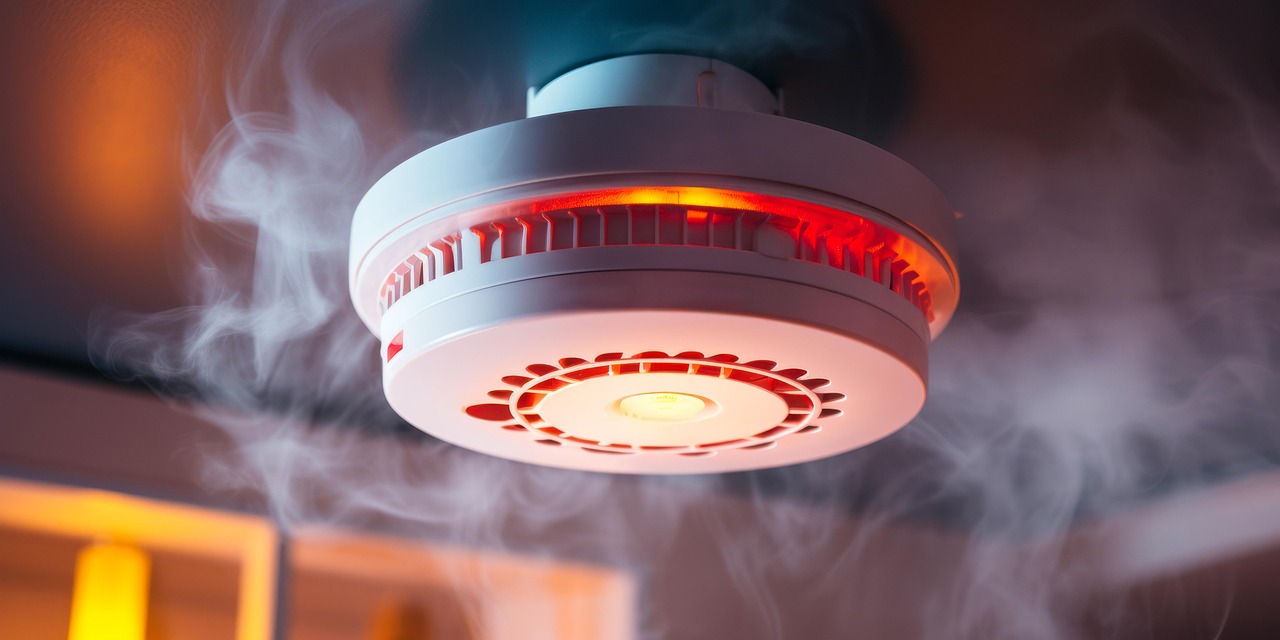
Fire safety systems serve as the first line of defence in protecting lives and property, yet their effectiveness hinges entirely on proper maintenance and regular testing. Facilities managers, fire safety professionals, and maintenance technicians face increasing pressure to ensure detection systems function reliably whilst minimising disruption and maintaining compliance with stringent regulations. Advanced testing equipment has revolutionised how professionals approach detector maintenance, making thorough testing more efficient, accurate, and documented than ever before.
The Critical Importance of Regular Detector Testing
Fire detection systems comprise sophisticated components that can degrade over time due to dust accumulation, environmental conditions, and component ageing. Undetected failures create dangerous false security—occupants trust systems that may not function when needed most. Regular functional testing identifies problems before they become critical, ensuring every detector responds appropriately to genuine fire conditions.
Regulatory bodies mandate testing frequencies for good reason. British Standards and insurance requirements typically stipulate testing intervals based on environment and detector type. Non-compliance exposes organisations to legal liability, invalidated insurance claims, and most importantly, preventable loss of life. Professional-grade testing equipment transforms compliance from burden into straightforward, systematic process.
Understanding Modern Testing Technology
Beyond Traditional Methods
Historical testing methods involved burning materials beneath detectors or using aerosol sprays—approaches that proved time-consuming, inconsistent, and potentially damaging. Modern testing systems simulate heat, smoke, and carbon monoxide precisely, triggering detector responses without introducing contaminants or requiring direct contact with sensitive components.
These controlled stimulus methods ensure consistency across tests, allowing meaningful comparison of detector sensitivity over time. Documentation capabilities create audit trails that satisfy regulatory requirements whilst helping identify patterns suggesting maintenance needs.
Comprehensive Testing Capabilities
Advanced testing equipment addresses multiple detector types within single systems. Heat detectors require temperature simulation, smoke detectors need particle detection triggering, whilst carbon monoxide detectors demand specific gas concentration. Versatile XTR2 Kits provide comprehensive solutions that handle diverse detector portfolios without requiring multiple specialised tools, improving efficiency significantly for professionals managing varied installations.
Key Features of Professional Testing Systems
Precise Stimulus Control
Professional equipment delivers accurately calibrated stimuli that replicate genuine fire conditions. Temperature outputs, smoke particle concentrations, and gas levels must meet specific thresholds to trigger properly functioning detectors. Precise control ensures tests remain valid whilst preventing false positives that waste time or false negatives that overlook genuine faults.
Height Accessibility Solutions
Many detectors sit at considerable heights—cathedral ceilings, warehouse roofs, or multi-storey atriums. Effective testing equipment incorporates telescopic poles or remote operation capabilities, eliminating hazardous ladder work whilst ensuring thorough testing of even the most inaccessible devices. This accessibility dramatically improves safety for testing personnel.
Documentation and Compliance
Modern systems integrate data logging that records test dates, detector locations, response times, and pass/fail results. This automated documentation simplifies compliance reporting, creates maintenance history for each detector, and provides evidence for insurance and regulatory audits. Digital records eliminate paperwork whilst ensuring nothing gets overlooked or forgotten.
Portability and Durability
Professional testing demands equipment that withstands daily use across multiple sites. Robust construction, weather-resistant housings, and reliable battery performance ensure equipment remains functional in demanding environments. Compact, lightweight designs reduce technician fatigue during extensive testing sessions covering numerous detectors.
Developing Effective Testing Protocols
Creating Systematic Schedules
Establish testing frequencies that satisfy regulatory minimums whilst reflecting your specific environment. High-contamination areas may require more frequent testing than clean office environments. Document schedules clearly, assigning responsibility and tracking completion to ensure nothing lapses.
Training and Competency
Invest in thorough training for personnel conducting tests. Understanding equipment operation, proper technique, and troubleshooting ensures consistent, valid results. Competent technicians identify subtle issues—slow response times, intermittent faults—that automated systems might not flag but suggest impending failures.
Record-Keeping Best Practices
Maintain comprehensive records for each detector, noting installation dates, previous test results, maintenance history, and any anomalies. This historical data proves invaluable when analysing trends, planning replacements, or investigating system performance. Digital systems simplify this considerably, but consistent data entry remains essential.
Maximising Return on Testing Investment
Preventive Maintenance Benefits
Regular, documented testing identifies failing detectors before they compromise safety. Early intervention—cleaning sensors, replacing ageing components, or upgrading obsolete technology—costs far less than emergency repairs or consequences of system failures. Testing equipment pays for itself through preventing costly emergencies.
Insurance and Liability Protection
Comprehensive testing records demonstrate due diligence to insurers and regulators. Following incidents, documented maintenance history can significantly affect liability determinations and insurance claim outcomes. The modest investment in professional testing equipment provides substantial protection against far larger potential losses.
Operational Efficiency
Quality testing equipment reduces time per detector whilst improving accuracy. Technicians complete comprehensive testing programmes more quickly, reducing labour costs and minimising disruption to building operations. Reliability reduces repeat visits caused by equipment failures or inconsistent results.
FAQ Section
How often should fire detectors be tested?
British Standards typically recommend testing smoke and heat detectors every six months, though specific requirements vary by detector type, environment, and local regulations. High-risk environments may require quarterly testing, whilst some systems demand weekly functional checks. Consult relevant standards and your fire risk assessment for specific guidance.
Can testing damage sensitive detectors?
Professional testing equipment designed specifically for detector testing poses minimal risk when used correctly. Unlike improvised methods involving actual combustion or harsh chemicals, purpose-built testers deliver controlled stimuli within safe parameters. However, always follow manufacturer guidelines and avoid over-testing individual detectors unnecessarily.
What’s the difference between functional testing and sensitivity testing?
Functional testing verifies that detectors respond to appropriate stimuli and trigger alarms correctly—the standard regular maintenance requirement. Sensitivity testing measures precise activation thresholds to ensure detectors haven’t drifted outside acceptable ranges, typically performed less frequently by specialists using calibrated equipment.
Do I need different equipment for different detector types?
Whilst specialised equipment exists for specific detector types, comprehensive testing systems handle multiple detector technologies—heat, smoke, and carbon monoxide—within single units. This versatility proves cost-effective for facilities with diverse detection systems, eliminating the need to purchase and maintain multiple specialised tools.
How should testing equipment be maintained?
Regular calibration ensures accuracy—most manufacturers recommend annual calibration checks. Keep equipment clean, store properly when not in use, and replace consumables like batteries or stimulus cartridges as specified. Document calibration dates and maintain equipment service records just as diligently as detector testing records.
Conclusion
Professional fire detector testing equipment represents essential investment for any organisation serious about life safety and regulatory compliance. By enabling systematic, documented, and accurate testing of diverse detector types, modern systems transform maintenance from uncertain obligation into straightforward, defensible process. The combination of precise stimulus control, comprehensive documentation, and operational efficiency ensures detection systems function reliably whilst providing the audit trails that satisfy regulators and insurers. Whether managing a single building or extensive facility portfolio, investing in quality testing equipment and establishing rigorous protocols protects lives, property, and organisational interests whilst delivering measurable return through prevented failures and streamlined compliance. The question isn’t whether to invest in professional testing capabilities, but rather how quickly you can implement systems that elevate your fire safety programme to professional standards.